You know the feeling: you set off for a relaxing stroll, and instead you're water-skiing down the footpath behind a dog who's spotted something interesting roughly every four seconds. Pulling is one of the most common dog-owner frustrations — and the good news is it's very fixable with the right gear and a bit of consistency.
Why Dogs Pull in the First Place
Dogs don't pull to annoy you — they pull because it works. The world is exciting, they want to get to it, and leaning into the lead gets them there faster. They're also just naturally faster walkers than us. The fix is to make a loose lead the thing that gets them where they want to go.
The Gear That Actually Helps
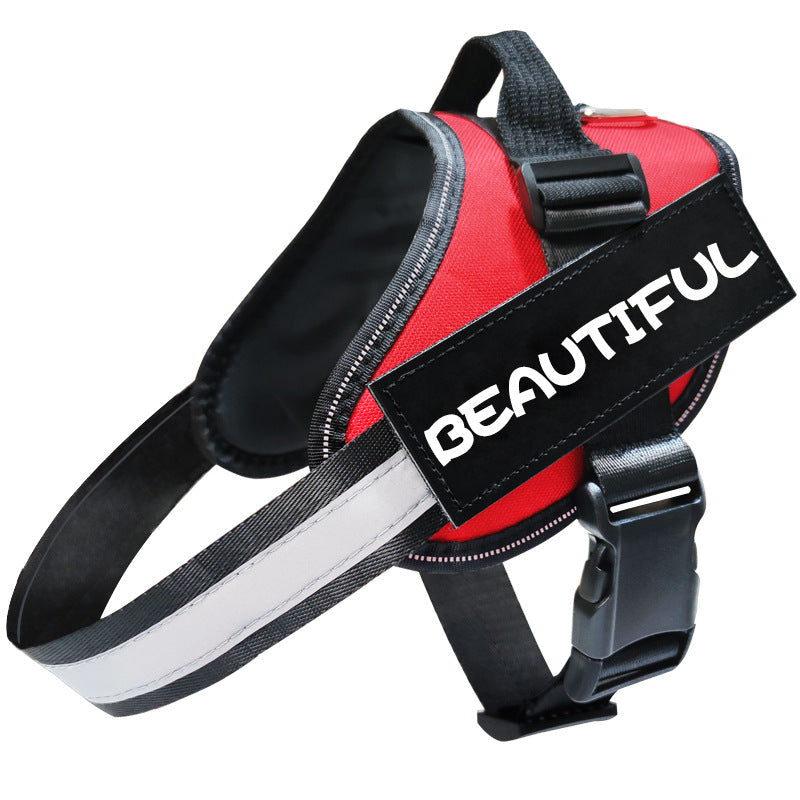
A standard collar puts all that pulling force on the throat and gives you very little control. A front-clip or no-pull harness changes the physics: when your dog surges forward, the harness gently redirects them back toward you instead of letting them lean in. It's not a magic off-switch, but it makes training dramatically easier.
Training Basics That Work
- Stop-start: the moment the lead goes tight, stop walking. Only move again when there's slack. Boring, but it teaches that pulling = no progress.
- Reward the good stuff: treat and praise when your dog walks beside you. You're paying for the behaviour you want.
- Change direction: turn the other way when they forge ahead — it keeps them paying attention to you.
- Keep sessions short: five focused minutes beats thirty frustrated ones.
Our Anti-Pull Picks
Reflective No-Pull Dog Harness — from $24.99

Best for: everyday walkers who need a gentle, comfortable way to take the pressure off the throat — with reflective stitching for early or late walks.
Tactical Dog Training Harness — $33.99

Best for: strong dogs and serious training — the padded vest and top handle give you proper control when it counts.
Double-Ended Training Lead — $32.99

Best for: pairing with a dual-clip harness for maximum control, or walking two dogs tangle-free.
Loose-Lead FAQs
Do no-pull harnesses really work?
Yes — they reduce pulling significantly by changing the angle of pressure. Combined with a little training, most dogs improve quickly. On their own they manage the pulling; with training they fix it.
Front-clip or back-clip?
Front-clip (chest) is best for active pullers because it redirects them. Back-clip is fine for dogs who already walk well.
How long until my dog stops pulling?
With consistent short sessions, many owners see real improvement within a couple of weeks — but every dog is different, so be patient and keep it positive.
Shop No-Pull Gear at OzPetCo
Browse our dog harnesses and leads for the right walking setup — fast Australian delivery, free shipping over $99.
